The content engine for blogs that live in Git.
Put your static blog on auto-pilot. Contentcron learns your voice, researches topics, creates relevant screnshots and figures, and writes an article a day. Each one arrives as a PR against your repo.
- Next.js
- Astro
- Hugo
- Gatsby
- Eleventy
- MDX
- Markdown
- Decap CMS
- Sveltia
- TinaCMS
- Keystatic
- CloudCannon
- Front Matter
content: add “10 ways to ship faster” via Contentcron #142
Writing you’d put your name on.
Delivered to your repo, on auto-pilot.
Contentcron isn’t a prompt box. Articles are researched against live search results, written in the voice it learned from your own site, and revised from a single PR comment. Switch on auto-post and the entire loop runs while you sleep.
grounded: web + repo
Drafts that don't read like AI. Every article is grounded before a word is written: live web search, the brand profile learned from your site, the posts already in your repo. It argues with specifics instead of padding to length.
Why your Postgres queries fall off a cliff at 40 GB
1,840 words · 7 sources · voice: matched
It isn’t the row count. It’s the morning your working set stops fitting in shared_buffers, and every index scan starts paying for a disk read it used to get free.
You can watch it happen: the buffer cache hit ratio slips under 99%, p99 latency doubles in a week, and nothing in your query plans changed at all.
comment → commit
One comment is a whole revision. Reply on the PR the way you'd reply to a colleague (“cut this, add a table, use our real numbers”) and the rewrite lands as a commit on the same branch, usually inside a minute.
In today’s fast-moving world of databases, performance has never been more important for modern teams.
cut this opener, lead with the 40 GB number
add a comparison table under “Pick your bottleneck”
loop: closed
Auto-post runs it without you. Approve a month of topics once, then let Contentcron write, open, and merge on its own schedule. You wake up to a post that's live and a diff that shows exactly what shipped.
- Jul 31postgres-40gb.mdxmerged
- Jul 30agent-observability.mdxmerged
- Jul 29ship-faster-habits.mdxmerged
- Jul 28sqlite-in-prod.mdxmerged
- Jul 27cutting-ci-minutes.mdxmerged
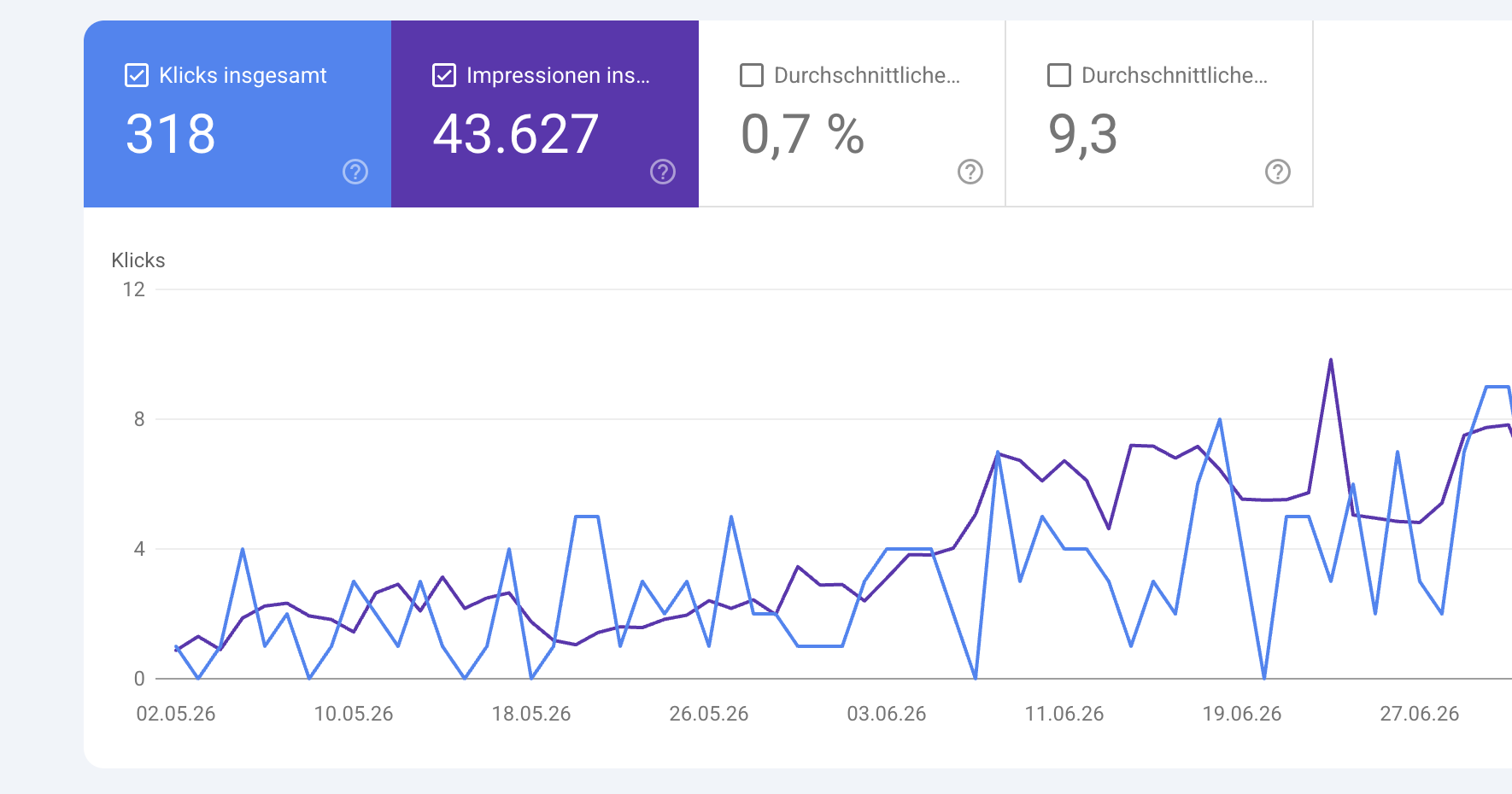
Zero to 43,627 search impressions in its first eight weeks.
Grepture is another product I build, and Contentcron the engine that powered its blog from day one. This is its real Search Console report.
I built Contentcron because I wanted a blog that compounds without me. It does.
— Ben, builds Grepture and Contentcron
318
43,627
Impressions / day
Built for blogs that are codebases.
Connect a repo and it works like a content engineer on staff: learns your voice, finds the gaps your competitors missed, and ships every single day without a meeting.
brand_profile: voice + facts
Your voice, not a house style.
Before a word gets written, the crawl reads your site and your best posts and builds a brand profile: tone, vocabulary, the company facts that must stay true. Approve it once, and every draft after that argues like your team wrote it.
research: web_search
Topics that can actually rank.
Research runs on live web search: what competitors rank for, where your archive is thin, which queries you can realistically win. Topics arrive scored with the rationale attached; approve, reject, or add your own.
content/blog/*.mdx
PRs that merge clean.
It infers your frontmatter from the posts already in the folder: field names, date formats, slug style. New articles match byte for byte.
publish_mode: draft_first
Autonomy you dial in.
Hold every article as a draft you approve, open PRs for review, or push straight to main. Each project gets exactly the trust you give it.
cadence: 1/day
A drumbeat, not a dump.
One article a day, every day. Archives compound on consistency, and nobody has to review forty posts in one sitting.
model: per project
Flagship where it pays.
Run the best Claude model on the blog that earns revenue, a faster one where possible.
Relevant screenshots and figures that stay current.
Contentcron takes screenshots of your product and does research around your most relevant topics to create charts, to embed them both in your articles. We automatically update this library and you can add what you consider important.
capture: pixel-diffed
Shots stock and refresh themselves. Point it at your product once: it signs in, walks the nav, and tags a library by feature. Every shot is re-taken on a schedule and re-uploaded only when the UI actually changed, so the same URL stays right in every article at once.
figures: sourced
Figures are researched, never invented. Charts, diagrams, and stat callouts come from a research pass with real web search. A chart that cannot cite a source is rejected, not shipped; the writer returns nothing before it returns a made-up number.
embed: by topic
The writer places both. Drafts pull the asset that fits the topic straight from the library. When an article needs one that does not exist yet, it files a request, the asset is captured or researched, and it lands on the next pass.
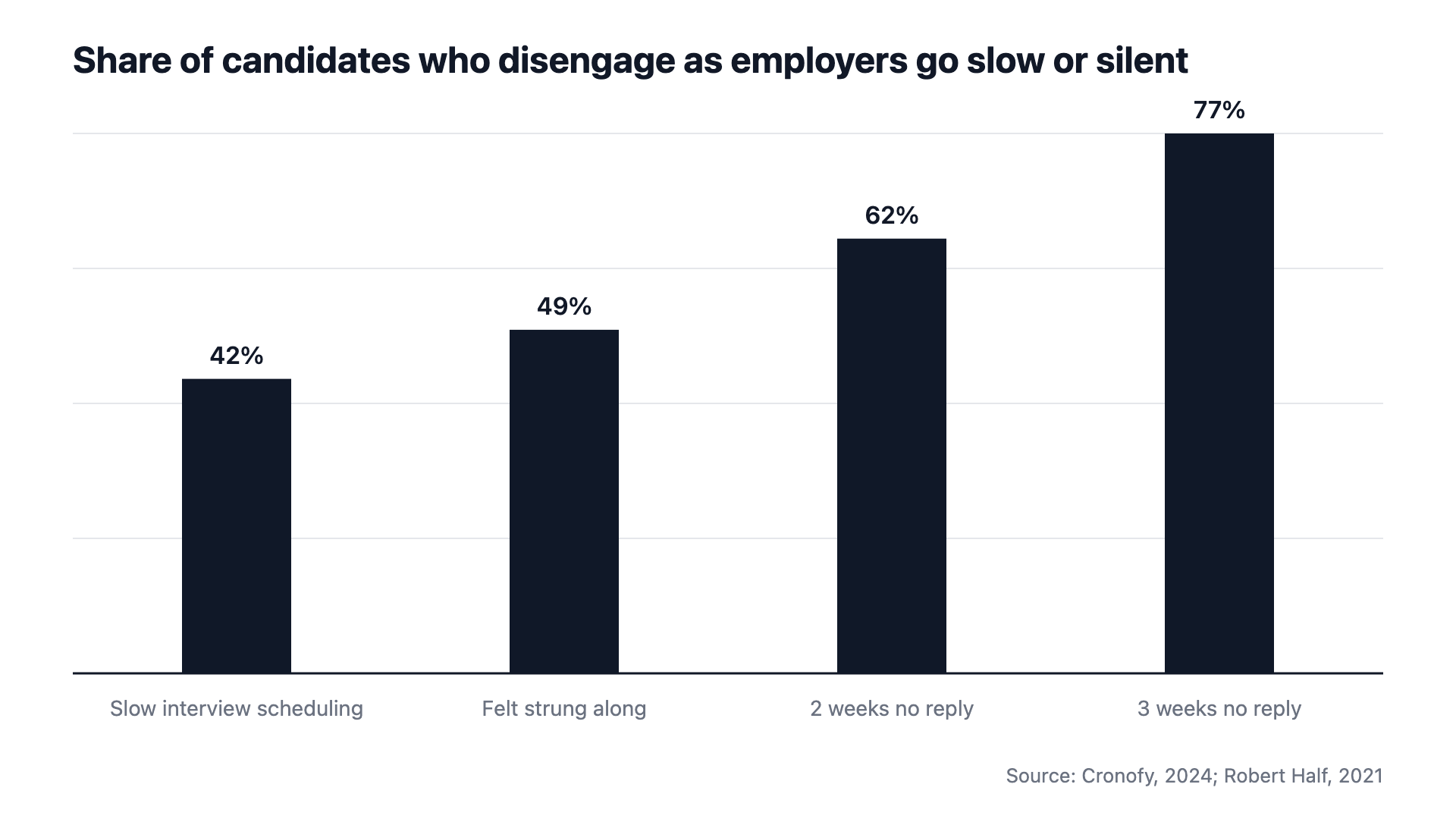
Source: Cronofy, 2024; Robert Half, 2021
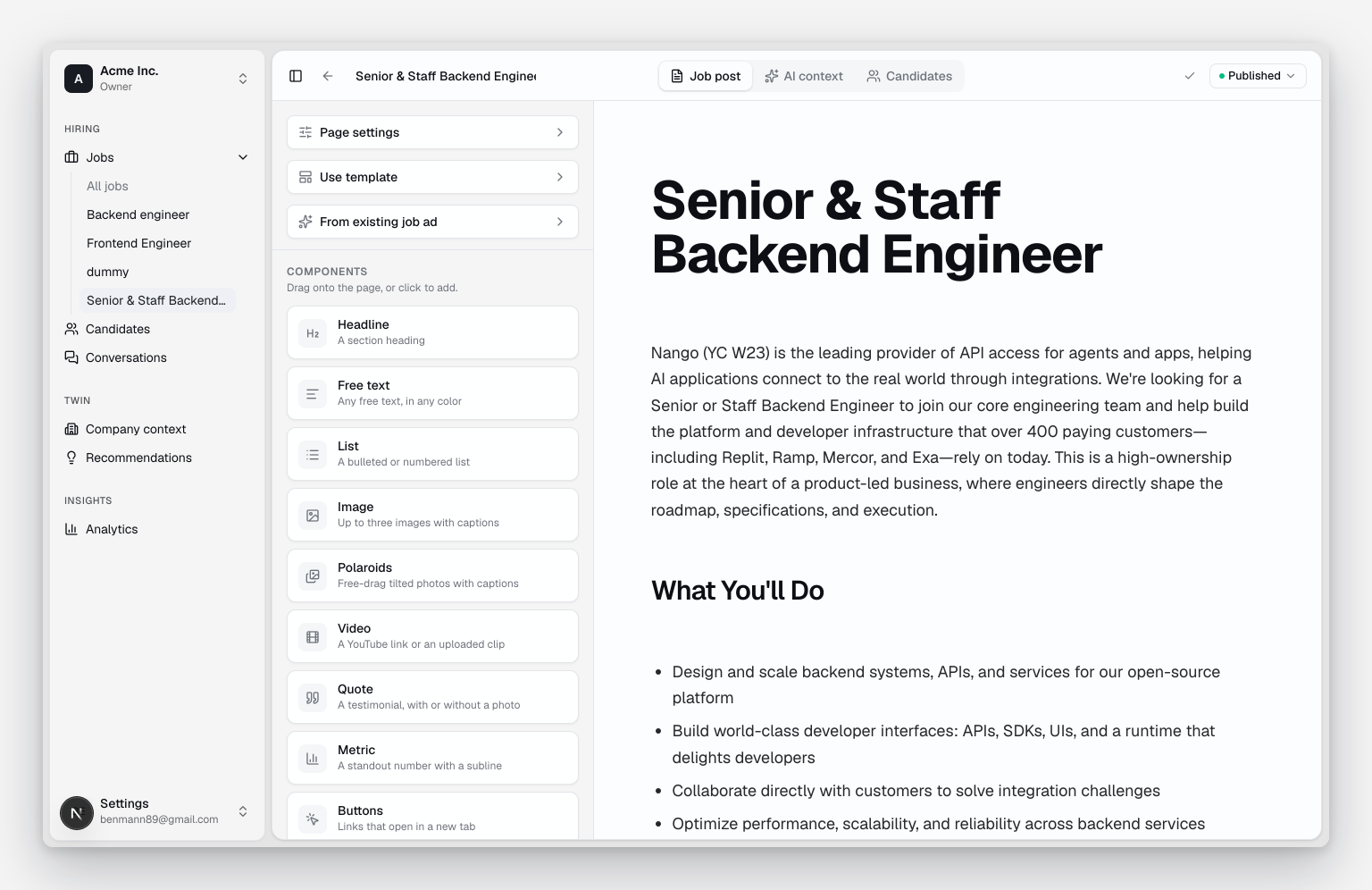
Review it like code. Because it is.
No dashboard round-trips, no “request changes” form. Leave a PR comment the way you already do in review, and Contentcron rewrites the article, commits to the same branch, and replies with what changed. Line comments anchor the revision to the exact passage. Your team never leaves GitHub.
mira — this claims we support SSO - we don't yet, cut it
revise: remove SSO claimf21c0dadev-jon — code sample uses the old client, use createClient()
revise: update sample to createClient()9b04e11mira — closing is weak. end on the migration checklist
revise: end on migration checklistc7a3f52
Meet your new content pipeline.
Not a dashboard you drive: a pipeline that runs while you sleep. One cron tick in, one pull request out, every morning.
Crawl
Reads your site and existing posts to learn voice, facts, and format.
128 pages · voice profile built
Research
Proposes topics from real web search: competitors, gaps, your archive.
3 topics · 7 sources
Write
Drafts the full article in your voice: MDX, frontmatter included.
1,840 words · 9 min read
Pull request
Commits to a branch and opens the PR against your blog.
contentcron/10-ways-to-ship-faster
Comment, revise
You review like code. Comments come back as revision commits.
2 comments → 2 commits
0 6 * * *
Runs again tomorrow.
Your next post is a pull request away.
Connect a repo, review the brand profile, approve a topic. Tomorrow there’s a PR waiting. Your first article is free, no card required.